Seasonal Trends in AI: Preparing Your Skills for the Future of Data Science


Understanding the Current AI Landscape
The field of Artificial Intelligence (AI) is evolving rapidly, and keeping pace with its seasonal trends can significantly enhance your data science skills. As AI technologies advance, data scientists must adapt to new tools, methodologies, and applications. Staying informed about these changes is crucial for anyone looking to thrive in this dynamic industry.

Recent developments in AI have shown a marked shift towards more sophisticated machine learning models and a growing emphasis on natural language processing (NLP). These trends signify a broader acceptance and integration of AI across industries, from healthcare to finance. To remain competitive, data scientists should focus on acquiring expertise in these areas.
Embracing Machine Learning and NLP
Machine learning continues to be at the forefront of AI innovations. Understanding algorithms such as neural networks, decision trees, and clustering can provide a substantial advantage. Furthermore, NLP is becoming indispensable as organizations strive to make sense of unstructured data like text and voice. By mastering these technologies, data scientists can unlock new opportunities in the AI domain.
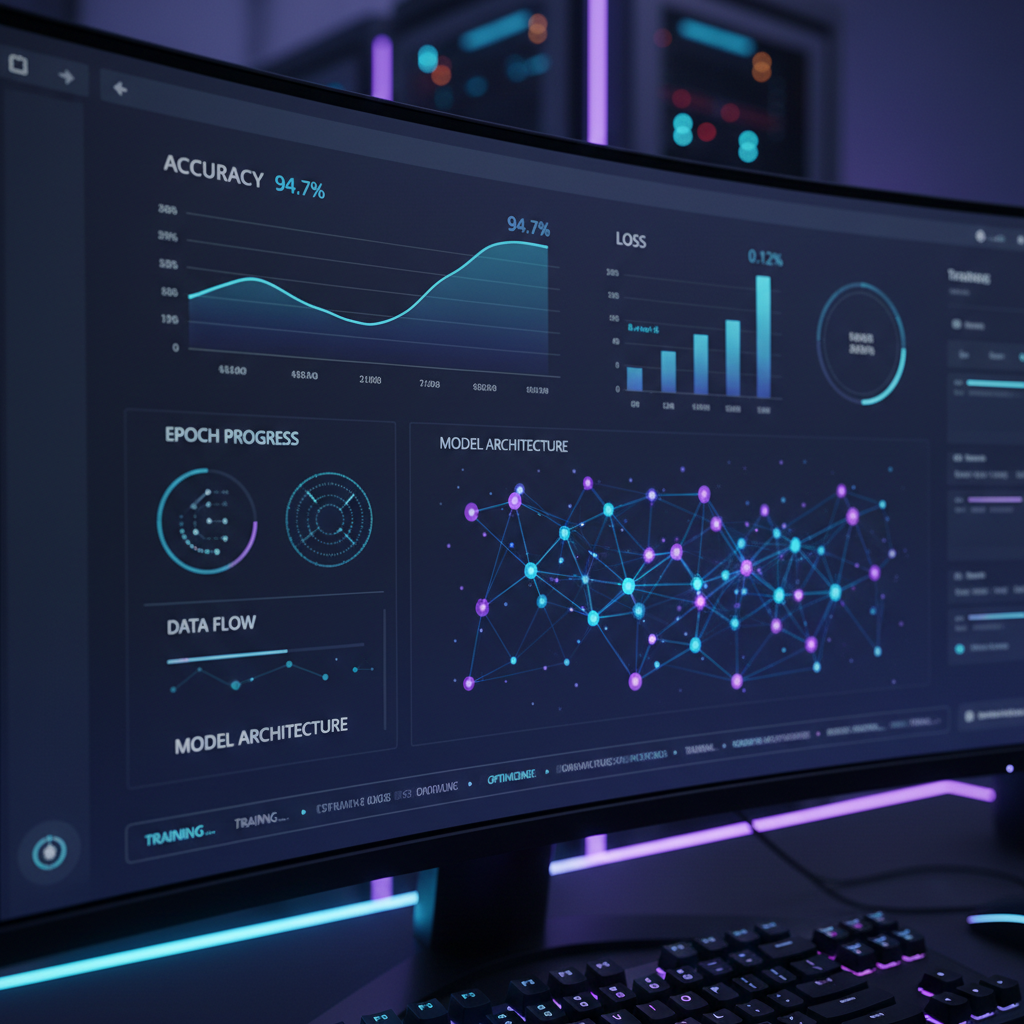
To enhance your skills in machine learning and NLP, consider the following strategies:
- Enroll in specialized courses focusing on advanced algorithms.
- Participate in online forums and communities to stay updated on the latest trends.
- Engage in practical projects that involve real-world data sets.
Leveraging Open Source Tools
Open source tools and platforms are pivotal in the AI landscape. Libraries such as TensorFlow, PyTorch, and Scikit-learn offer powerful resources for developing machine learning models. Familiarity with these tools not only boosts productivity but also enhances your capability to experiment with cutting-edge AI solutions.

Organizations are increasingly relying on these open source platforms for cost-effective and scalable AI solutions. By becoming proficient in these tools, data scientists can contribute more effectively to their teams and drive innovation.
Preparing for the Future
As AI continues to evolve, future trends suggest a larger focus on ethical AI and explainability. Data scientists must prepare to tackle challenges related to bias, transparency, and accountability in AI models. This shift requires a deeper understanding of ethical considerations and the development of skills to create fair and unbiased algorithms.
The future of AI also points towards greater automation and the integration of AI with Internet of Things (IoT) devices. Data scientists should be ready to harness these technologies to build intelligent systems that can operate independently and efficiently.
Continuous Learning and Adaptation
In a field as dynamic as AI, continuous learning is key. Data scientists should regularly update their skills through workshops, webinars, and advanced certifications. By staying ahead of seasonal trends, they can ensure their expertise remains relevant and valuable.
In conclusion, the future of data science in the context of AI is promising but demands proactive efforts to stay informed and skilled. By embracing new technologies, leveraging open source tools, and prioritizing ethical practices, data scientists can prepare themselves for the exciting developments ahead.