Personalized Learning in AI: Tailoring Education for Success


The Rise of Personalized Learning
In recent years, personalized learning has emerged as a powerful tool in education, utilizing AI to tailor educational experiences to individual students' needs. Unlike traditional one-size-fits-all approaches, personalized learning leverages data and machine learning to adapt content, pace, and teaching methods, ensuring every student can thrive.
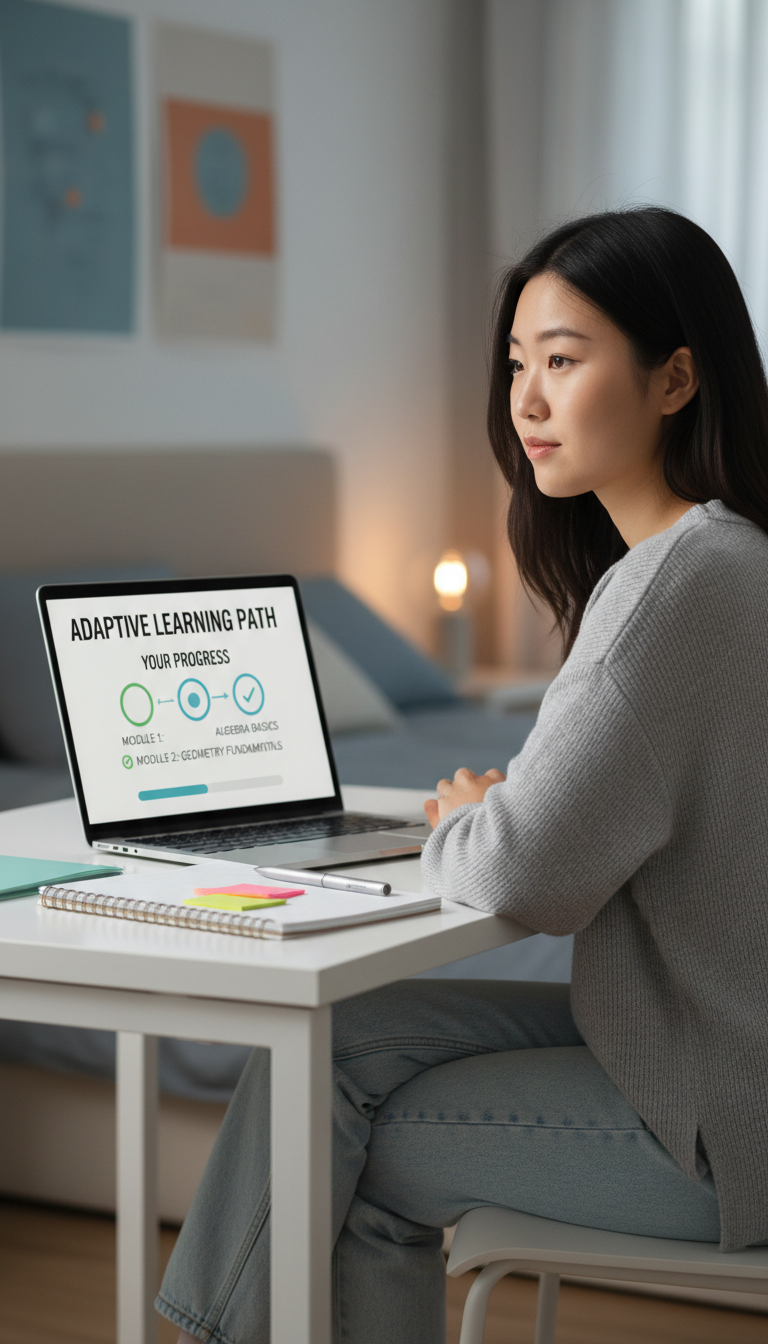
AI-driven personalized learning platforms assess a student’s strengths, weaknesses, and learning styles. This data-driven approach allows educators to customize lessons, enhancing engagement and comprehension. With technology continually advancing, the potential for personalized learning grows exponentially.
The Role of AI in Personalized Learning
AI plays a crucial role in transforming how students interact with educational material. By analyzing performance data, AI algorithms can predict which areas a student might struggle with and adjust the material accordingly. This adaptability ensures that students receive the support they need when they need it.
Moreover, AI can provide instant feedback, allowing students to learn from mistakes in real-time. This immediate response helps reinforce learning and build confidence, fostering a more proactive and independent learning environment.
Benefits of Tailored Education
The advantages of personalized learning extend beyond individual student success. Schools and educators can benefit from the insights gained through AI analytics, identifying trends and areas for curriculum improvement. This holistic view can lead to more effective teaching strategies and better resource allocation.
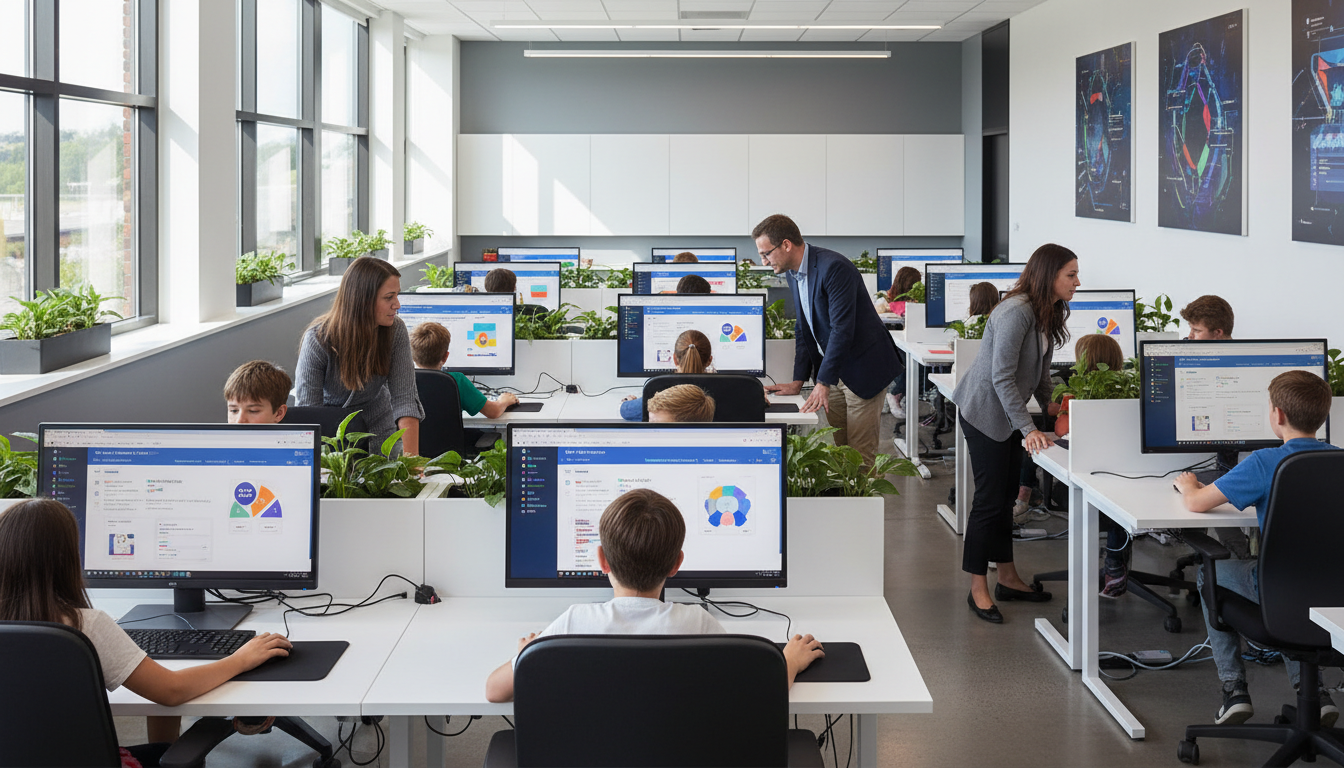
Additionally, personalized learning supports inclusion by catering to diverse learning needs. Students with different abilities or learning challenges can access customized resources, promoting equity in education and helping bridge achievement gaps.
Implementing Personalized Learning
Implementing personalized learning requires careful planning and the right technology. Schools must invest in platforms that integrate seamlessly with existing systems and provide educators with the tools to interpret data effectively. Training for teachers is also essential, ensuring they can leverage AI insights to enhance their teaching methods.
Here are some steps to consider when implementing personalized learning:
- Evaluate current educational goals and identify areas for improvement.
- Select appropriate technology platforms that align with these goals.
- Train educators to use new tools and interpret data effectively.
- Continuously assess and refine strategies based on student outcomes.

The Future of Education
As AI technology continues to evolve, the possibilities for personalized learning are boundless. Future advancements could bring even more precise tailoring of educational content, potentially transforming the entire landscape of education. The integration of AI in personalized learning is not just a trend—it's a pivotal step toward creating an inclusive, effective, and engaging educational environment for all students.
In conclusion, personalized learning in AI is reshaping the educational experience. By embracing these innovations, educators and institutions can provide students with the tools they need to succeed in an ever-changing world.