Mastering Python for Data Science: A Comprehensive Guide


Introduction to Python for Data Science
Python has become the go-to programming language for data science, thanks to its versatility and robust libraries. Whether you are a beginner or an experienced professional, mastering Python can significantly enhance your data analysis capabilities. In this guide, we'll explore key aspects of Python that make it essential for data science.

Why Choose Python?
Python's popularity in data science is largely due to its simplicity and readability, which makes it accessible for beginners. Moreover, its extensive range of libraries, such as NumPy, Pandas, and Scikit-learn, provide powerful tools to handle complex data operations, making it a preferred choice for data scientists worldwide.
Setting Up Your Python Environment
To start your journey in data science with Python, it's crucial to set up an efficient development environment. Tools like Anaconda make it easy to manage packages and dependencies. Jupyter Notebook is also highly recommended for interactive data analysis and visualization.

Core Python Libraries for Data Science
Understanding the core libraries in Python is vital. NumPy is fundamental for numerical computing, allowing you to work with arrays and perform mathematical operations efficiently. Pandas is essential for data manipulation and analysis, providing data structures like DataFrames that simplify data handling.
Machine Learning with Scikit-learn
Scikit-learn is a powerful library for implementing machine learning algorithms. It provides a range of supervised and unsupervised learning algorithms and is known for its user-friendly API. Whether you're building a simple linear regression model or a complex neural network, Scikit-learn has you covered.

Data Visualization Techniques
Visualizing data is a critical part of data science, and Python offers excellent libraries for this purpose. Matplotlib and Seaborn are two libraries that allow you to create static, interactive, and animated visualizations. These tools help in understanding data patterns and insights more effectively.
Advanced Topics in Python for Data Science
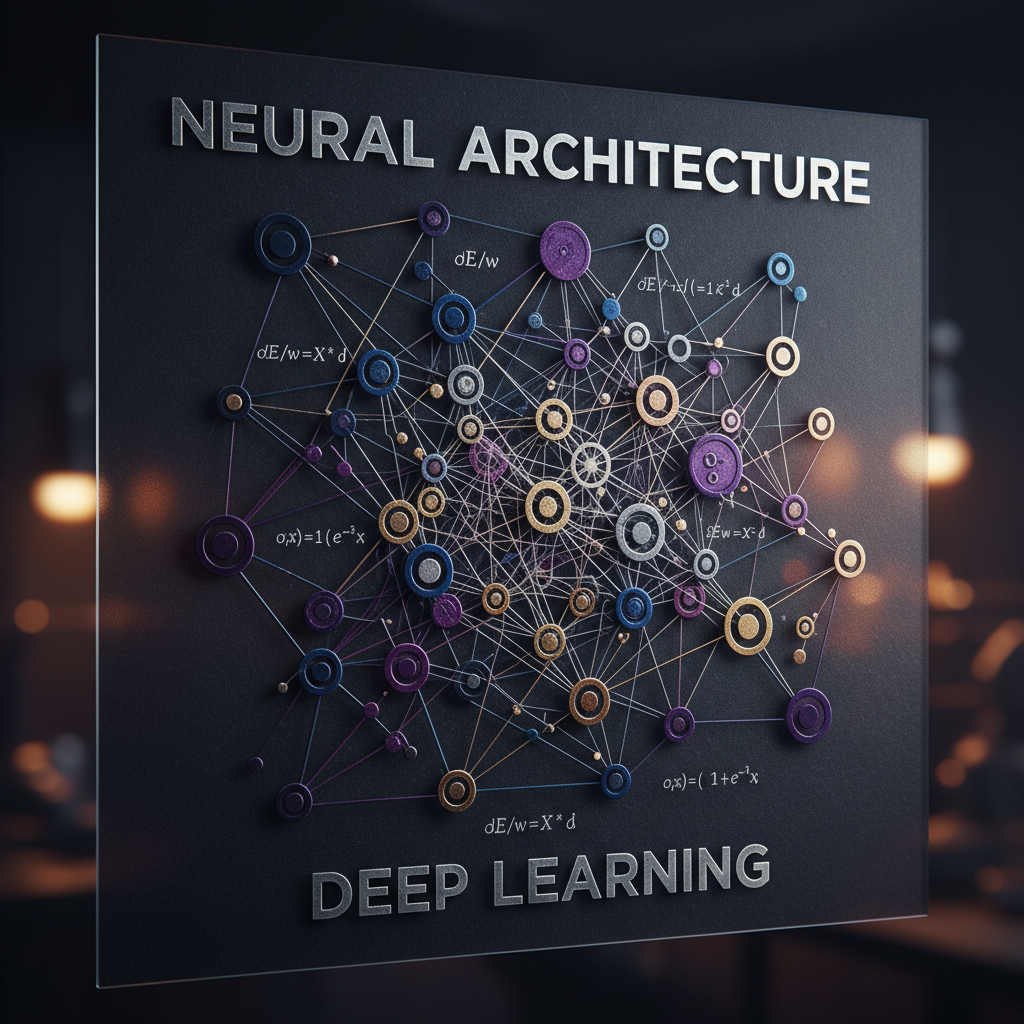
For those looking to delve deeper, Python also supports advanced topics like deep learning with TensorFlow and PyTorch. These frameworks are crucial for building and deploying complex models for tasks such as image and speech recognition.
Conclusion
Mastering Python for data science opens up a world of opportunities in data analysis, machine learning, and artificial intelligence. By leveraging the right tools and libraries, you can transform raw data into meaningful insights, driving innovation and decision-making in any field.
Start exploring Python today and discover how it can revolutionize your approach to data science. With dedication and practice, you'll soon be harnessing the full potential of this powerful language.