How Personalized Learning is Revolutionizing AI Education


Understanding Personalized Learning
In recent years, the concept of personalized learning has gained significant traction in the realm of education. This approach tailors the educational experience to meet the unique needs and preferences of individual learners. By leveraging technology, educators can provide a more customized experience that enhances engagement and improves outcomes.
Traditional education often falls short of addressing the diverse learning styles and paces of students. However, personalized learning seeks to fill this gap by offering tailored content, adaptable learning paths, and real-time feedback. This method not only caters to different learning speeds but also fosters a deeper connection with the material.

The Role of AI in Personalized Learning
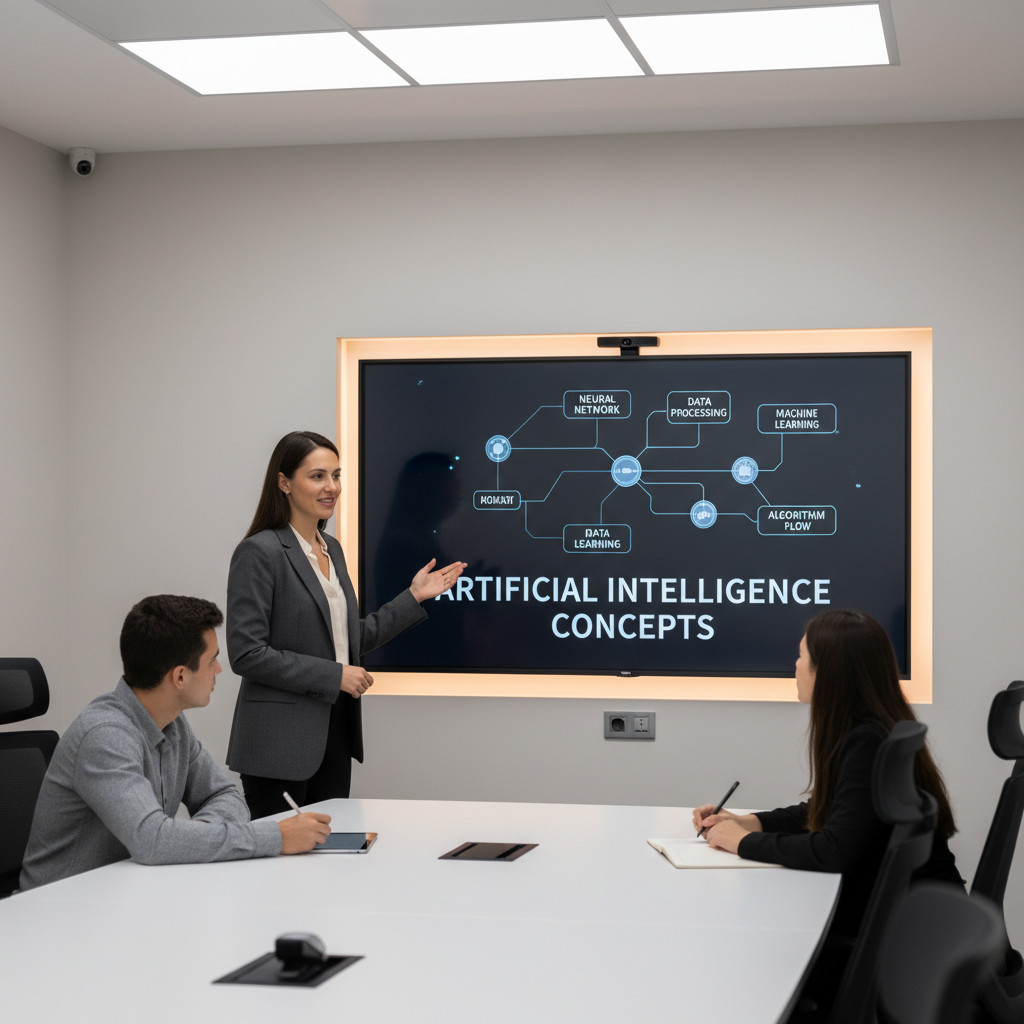
Artificial Intelligence (AI) plays a pivotal role in the evolution of personalized learning. By utilizing AI algorithms, educational platforms can analyze data to understand a student's strengths and weaknesses. This analysis enables the creation of individualized learning plans that adapt to the student’s progress.
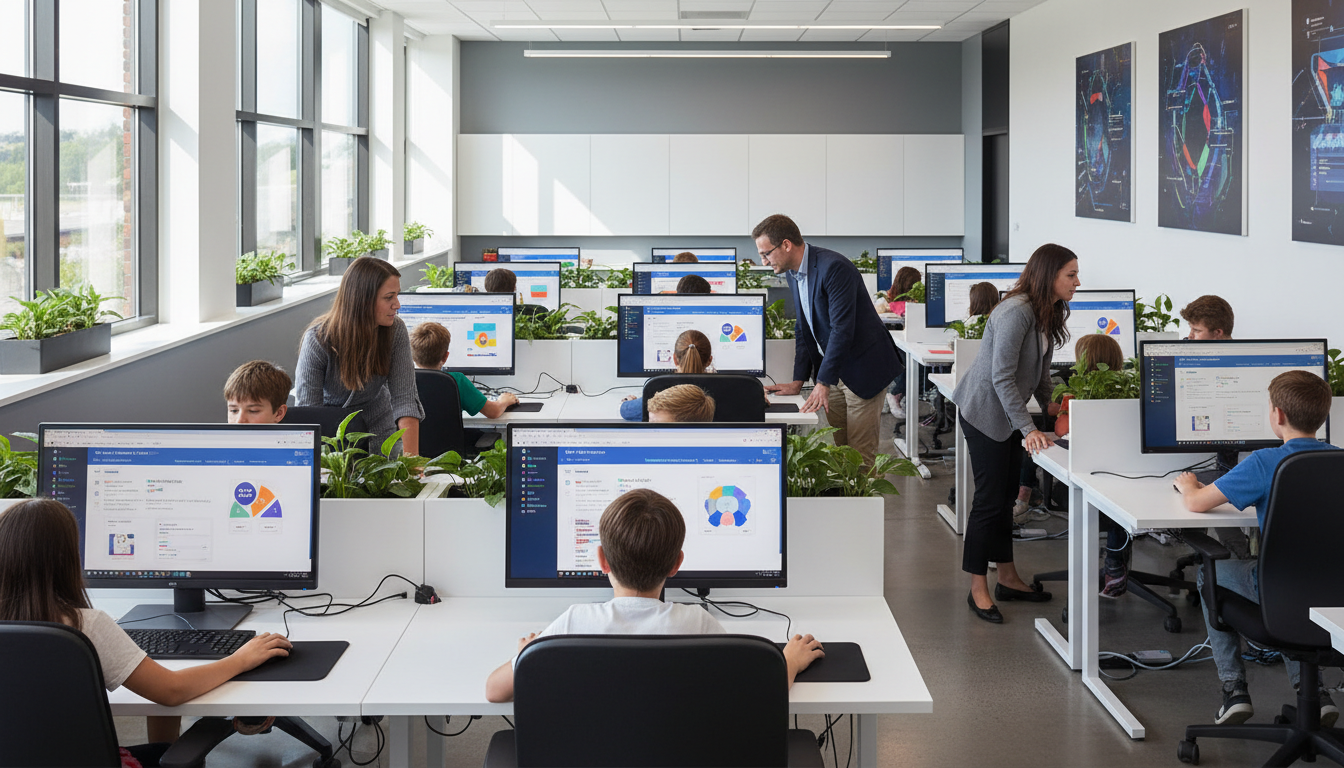
AI-driven tools can provide a variety of resources, from interactive lessons to practice quizzes, all designed to match the learner's current level of understanding. These tools often include features like adaptive testing, where the difficulty of questions adjusts based on the student's performance.
Benefits of AI-Powered Personalized Learning
The integration of AI in personalized learning offers numerous benefits. Some of the key advantages include:
- Improved Engagement: Learners are more likely to stay engaged with content that resonates with their interests and knowledge level.
- Efficient Learning: Students can focus on areas where they need improvement, making learning more efficient.
- Real-Time Feedback: Immediate feedback helps students correct mistakes and understand concepts in real time.
Challenges and Considerations
Despite its advantages, personalized learning through AI is not without challenges. One major concern is data privacy, as the collection and analysis of student data are central to personalized learning systems. Ensuring that this data is secure and used ethically is paramount.
Additionally, there is a need for educators to adapt to new technologies and methodologies. Teachers must be trained to effectively use AI tools and interpret the data they provide to support their students' learning journeys.
The Future of Personalized AI Education
As AI technology continues to advance, the potential for personalized learning is immense. Future developments may include more sophisticated AI systems capable of understanding complex human emotions and adapting educational content accordingly.
Furthermore, the integration of AI with other emerging technologies such as virtual reality (VR) and augmented reality (AR) could create immersive learning environments that further enhance personalization.
Conclusion
Personalized learning is revolutionizing AI education by making it more adaptable, engaging, and effective. While challenges exist, the benefits of this approach are undeniable. As we continue to innovate and improve AI technologies, the future of education looks promising, with a focus on meeting the needs of every individual learner.