How Neural Networks are Transforming Industries: Insights and Applications


Introduction to Neural Networks
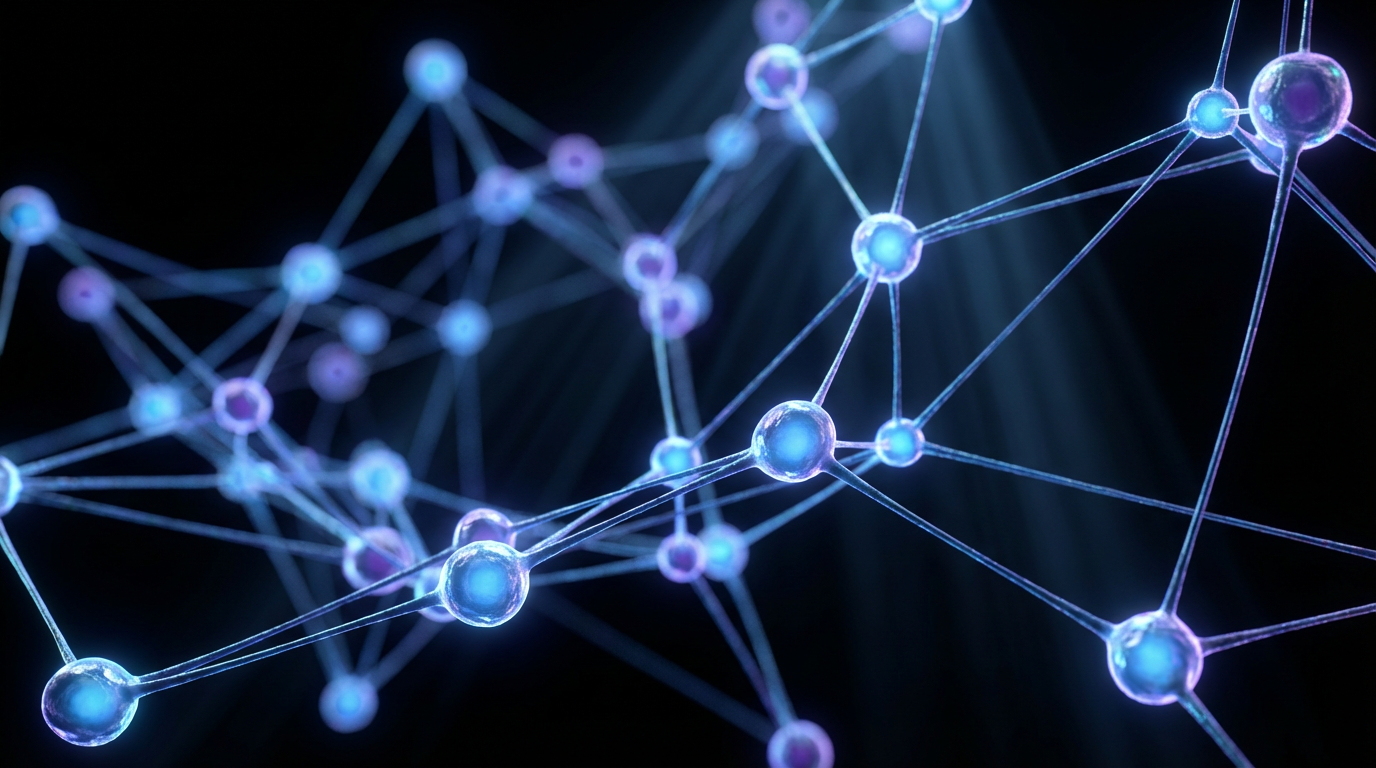
Neural networks, a subset of artificial intelligence, are revolutionizing the way industries operate. These systems mimic the human brain's neural connections, enabling machines to learn from data and make decisions. Their adaptability and efficiency are paving the way for innovations across various sectors.
Healthcare: Revolutionizing Diagnosis and Treatment
In healthcare, neural networks are enhancing diagnostic accuracy and personalizing treatment plans. By analyzing patient data, these systems can predict diseases and recommend interventions, reducing human error and improving patient outcomes. For instance, neural networks can analyze medical images to detect early signs of conditions like cancer.
Furthermore, the development of predictive models helps in managing resources and optimizing hospital operations. This technology not only improves patient care but also increases efficiency and reduces costs.
Finance: Enhancing Risk Management and Fraud Detection
Neural networks are transforming the financial industry by improving risk assessment and enhancing fraud detection. By analyzing transaction data, these systems can identify unusual patterns that may indicate fraudulent activity. This proactive approach helps in safeguarding financial assets and maintaining customer trust.

Additionally, neural networks assist in algorithmic trading by analyzing market trends and making data-driven investment decisions, minimizing risks and maximizing returns.
Manufacturing: Optimizing Production Processes
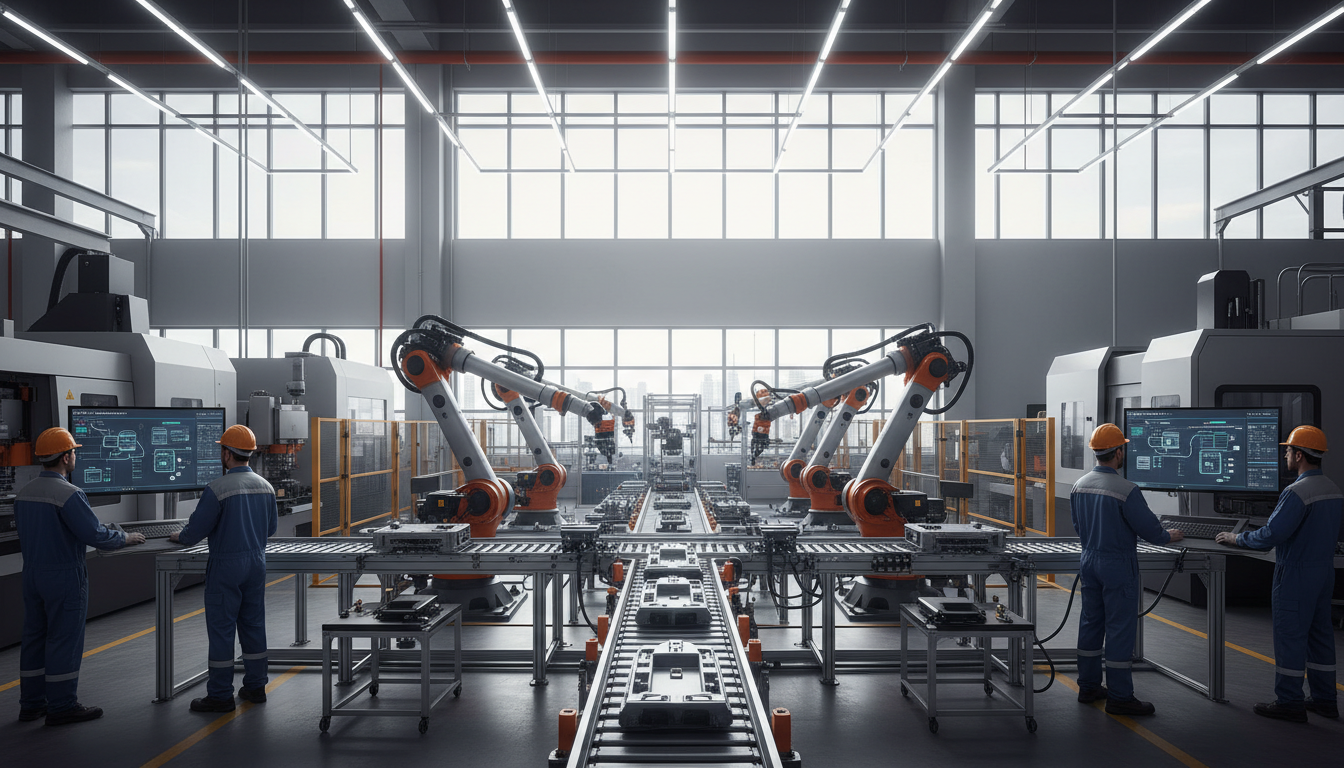
In manufacturing, neural networks are used to optimize production processes and maintain quality control. By predicting equipment failures and monitoring production lines, these systems reduce downtime and enhance productivity. This results in cost savings and improved product quality.
Moreover, neural networks facilitate the development of smart factories, where machines communicate and collaborate, leading to autonomous and efficient operations.
Retail: Personalizing Customer Experience
The retail industry benefits from neural networks by offering personalized shopping experiences. By analyzing customer behavior and preferences, businesses can tailor recommendations and marketing strategies, increasing customer satisfaction and loyalty.
Inventory management is also improved, as neural networks predict demand trends, ensuring optimal stock levels and reducing waste.
Transportation: Improving Safety and Efficiency
Neural networks play a crucial role in transforming transportation by enhancing safety and efficiency. Autonomous vehicles rely on these systems to process data from sensors, making real-time decisions that ensure passenger safety. This technology promises to reduce traffic accidents and improve urban mobility.

Additionally, neural networks are used in logistics to optimize routes and schedules, reducing fuel consumption and delivery times.
Conclusion: A Future Powered by Neural Networks
The transformative power of neural networks is undeniable. As industries continue to harness this technology, we can expect enhanced efficiency, reduced costs, and improved outcomes. The future is bright with possibilities, as neural networks continue to push the boundaries of innovation and redefine industry standards.