Debunking Myths About Artificial Intelligence in Education


Understanding the Role of AI in Education
Artificial Intelligence (AI) is revolutionizing various sectors, and education is no exception. However, with its rise, several myths have emerged that can cloud its true potential. Here, we aim to debunk some of these misconceptions and shed light on how AI is genuinely transforming education for the better.
Myth 1: AI Will Replace Teachers
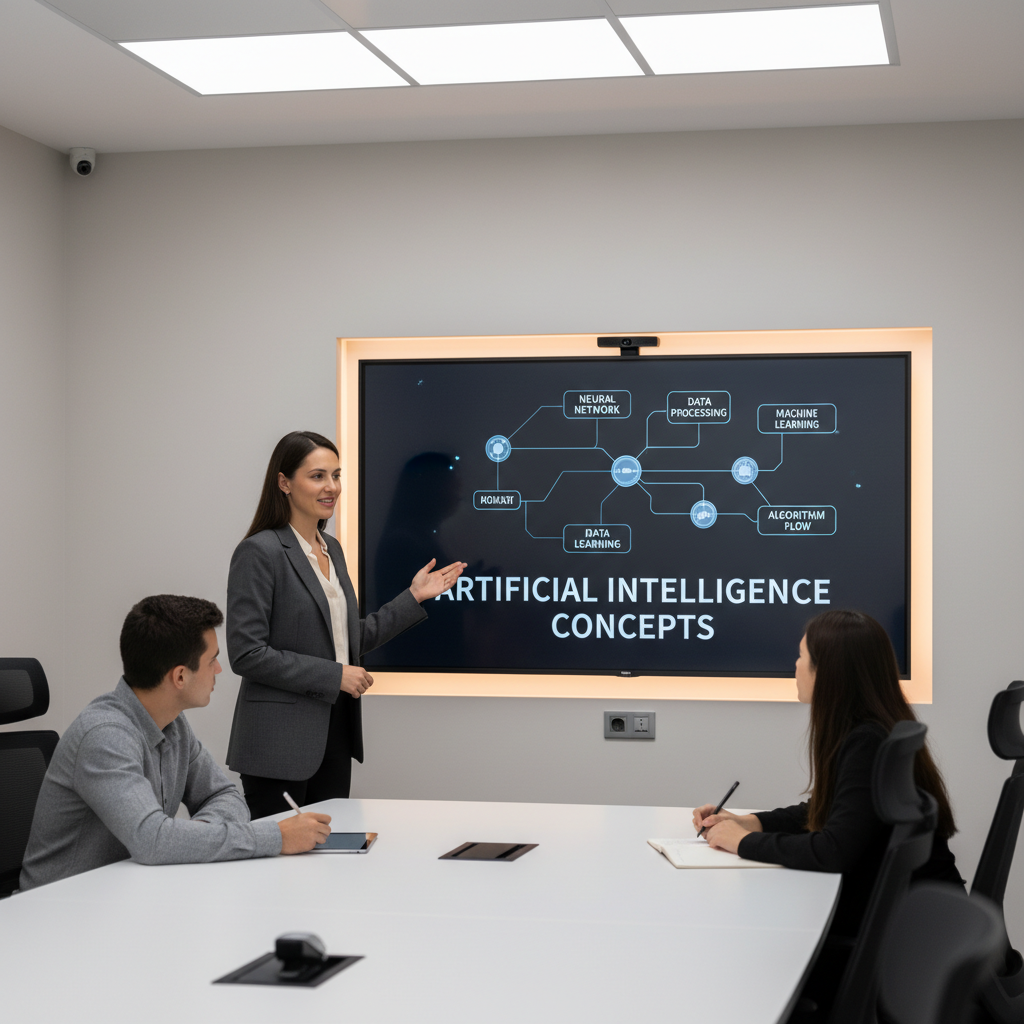
One of the most pervasive myths is that AI will replace human teachers. In reality, AI serves as a supplement rather than a substitute. While AI can automate administrative tasks and provide personalized learning experiences, the emotional and social support that teachers offer is irreplaceable. Teachers guide, inspire, and mentor students in ways AI cannot.
AI tools can handle repetitive tasks like grading and attendance tracking, freeing teachers to focus on more meaningful interactions with students. This collaboration enhances the overall educational experience, resulting in a more supportive learning environment.
Myth 2: AI Only Benefits Tech-Savvy Students
Another common myth is that AI-based educational tools are only beneficial for students who are already tech-savvy. This misconception overlooks the adaptability of AI technologies. Many AI educational platforms are designed with user-friendly interfaces to ensure accessibility for all students, regardless of their technical skills.

Moreover, AI can tailor learning experiences to accommodate diverse learning styles, helping all students engage with the material in ways that resonate with them. This customization can bridge gaps for students who might struggle with traditional teaching methods.
Myth 3: AI in Education is Expensive
There's a belief that integrating AI into education is prohibitively expensive. While initial setup costs can be significant, the long-term benefits often outweigh these expenses. Schools and institutions that invest in AI can see more efficient operations and improved student outcomes, which can justify the cost.
In many cases, AI tools can reduce the need for physical resources and streamline processes, leading to cost savings over time. Furthermore, as AI technology becomes more widespread, the costs are expected to decrease, making it more accessible to a broader range of educational institutions.

Myth 4: AI Lacks Human Touch in Learning
Some critics argue that AI lacks the human touch necessary for effective learning. While it’s true that AI cannot replicate human emotions, it can enhance the learning experience by providing immediate feedback and support. AI-driven platforms can offer personalized recommendations and track student progress, allowing for a more tailored educational journey.
Additionally, AI can assist teachers in identifying students’ needs and challenges, enabling more targeted interventions. This partnership ensures that students receive both the technological benefits of AI and the emotional support of their teachers.
Conclusion: Embracing AI in Education
The integration of AI in education is not about replacing the human element but enhancing it. By dispelling these myths, we can better appreciate the ways AI can support teachers and students alike. As we move forward, embracing AI’s potential can lead to more innovative and inclusive educational opportunities for all.